
Getting a garage door ready for winter in Jacksonville means dealing with humidity swings, sudden cold snaps, and salt air corrosion, not snow and ice. The door itself doesn't need deicing or insulation against freezing temperatures the way it would further north. What it does need is attention to the parts that have been working overtime all summer and are about to get hit with a different kind of stress: rapid temperature drops, drier air, and the lingering effects of a long, humid storm season.
What Winter Really Means for a Jacksonville Garage Door
Winter here is mild, but it's not uneventful. Overnight temperatures can drop into the 30s and 40s during cold fronts, then swing back into the 60s and 70s by afternoon. That kind of daily temperature swing causes metal components to expand and contract repeatedly, which loosens hardware and stiffens lubricant that was fine in July. Add in the drier winter air after months of humidity, and seals that were swollen shut all summer can suddenly shrink and let in drafts, dust, and the occasional surprised lizard.
Check the Weatherstripping and Seals
Look at the rubber seal along the bottom of the door and the vinyl stripping around the frame. After a summer of swelling from humidity, it's common for this material to crack, flatten, or pull away from the track once drier weather sets in. Run a hand along the bottom seal and check for stiffness or gaps where daylight shows through. A worn seal doesn't just let in cold air on the rare chilly morning, it also lets in dust and moisture every other day of the year, so replacing it now pays off well past winter.
Lubricate Before the Temperature Swings Start
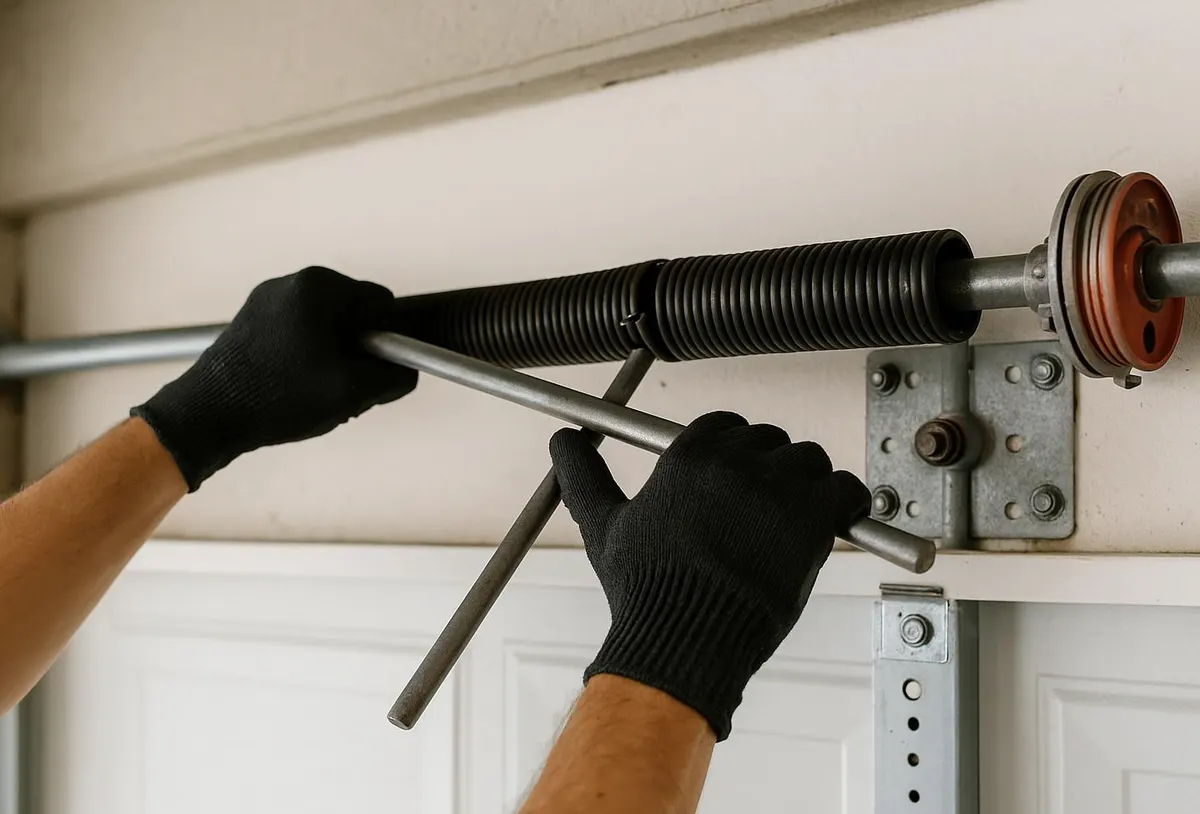
Hinges, rollers, and the torsion spring itself all need fresh lubricant heading into the season of big daily temperature shifts. Use a silicone-based garage door lubricant rather than household oil or WD-40, which attracts grit and breaks down faster in humid air. Spray the hinges, the roller stems (not the nylon rollers themselves), and the spring coils, then wipe away excess. Do this on a dry day, since Jacksonville's afternoon downpours can still show up even as temperatures cool.
Inspect for Rust and Salt Corrosion
If you're anywhere near the coast, salt air has likely been working on exposed metal all year, and small rust spots that seemed cosmetic in summer can turn into real problems once cooler, drier air makes metal more brittle. Check the bottom brackets, hinges, and track bolts for orange discoloration or pitting. A wire brush and a rust-inhibiting primer can stop small spots from spreading, but if you see rust on the spring itself or on the cables, that's a job to hand off rather than treat yourself, since those parts carry serious tension.
Test the Auto-Reverse Safety Sensors
Shorter daylight hours mean more people are opening and closing the garage door in low light, which is exactly when a misaligned sensor becomes dangerous instead of just annoying. Place a block of wood or a broom handle in the door's path and close it. The door should stop and reverse immediately. If it doesn't, the sensors are likely out of alignment or dirty, a common issue after months of pollen and humidity buildup on the sensor eyes.
Check Spring Tension and Door Balance
Disconnect the opener (pull the emergency release cord) and lift the door manually about halfway. It should stay in place on its own. If it drifts down or feels noticeably heavier than it used to, the springs have likely lost tension, which happens faster when a door has been through a full cycle of summer humidity followed by cooler, drier conditions. This isn't a DIY fix given the tension involved, but it's worth flagging before the door starts struggling in earnest.
Don't Forget the Opener's Backup Battery
If your opener has battery backup, winter cold fronts that bring brief power blips are a good time to confirm it still holds a charge. A battery that's been quietly dying all summer will show its age the first time you actually need it.
When to Call Jacksonville Garage Door Solutions
If the door is noticeably harder to lift by hand, if you spot rust creeping into the cables or bottom brackets, or if the sensors won't reliably reverse no matter how you clean or realign them, it's time to call in a professional rather than keep adjusting things yourself. Our Garage Door Maintenance visits cover a full seasonal check: lubrication, hardware tightening, sensor alignment, and a balance test. If the spring has already lost tension, our Garage Door Spring Replacement service handles that safely, with the right spring rated for your door and the local wind-load conditions.
If you're in Jacksonville, Jacksonville Beach, Ponte Vedra Beach, or anywhere nearby and want your garage door checked out before the season turns, give Jacksonville Garage Door Solutions a call. We'll get it sorted before it becomes a bigger problem.